

A radical idea shared at Laity Lodge helped shape
a nationwide movement of small groups.
It was 1961,
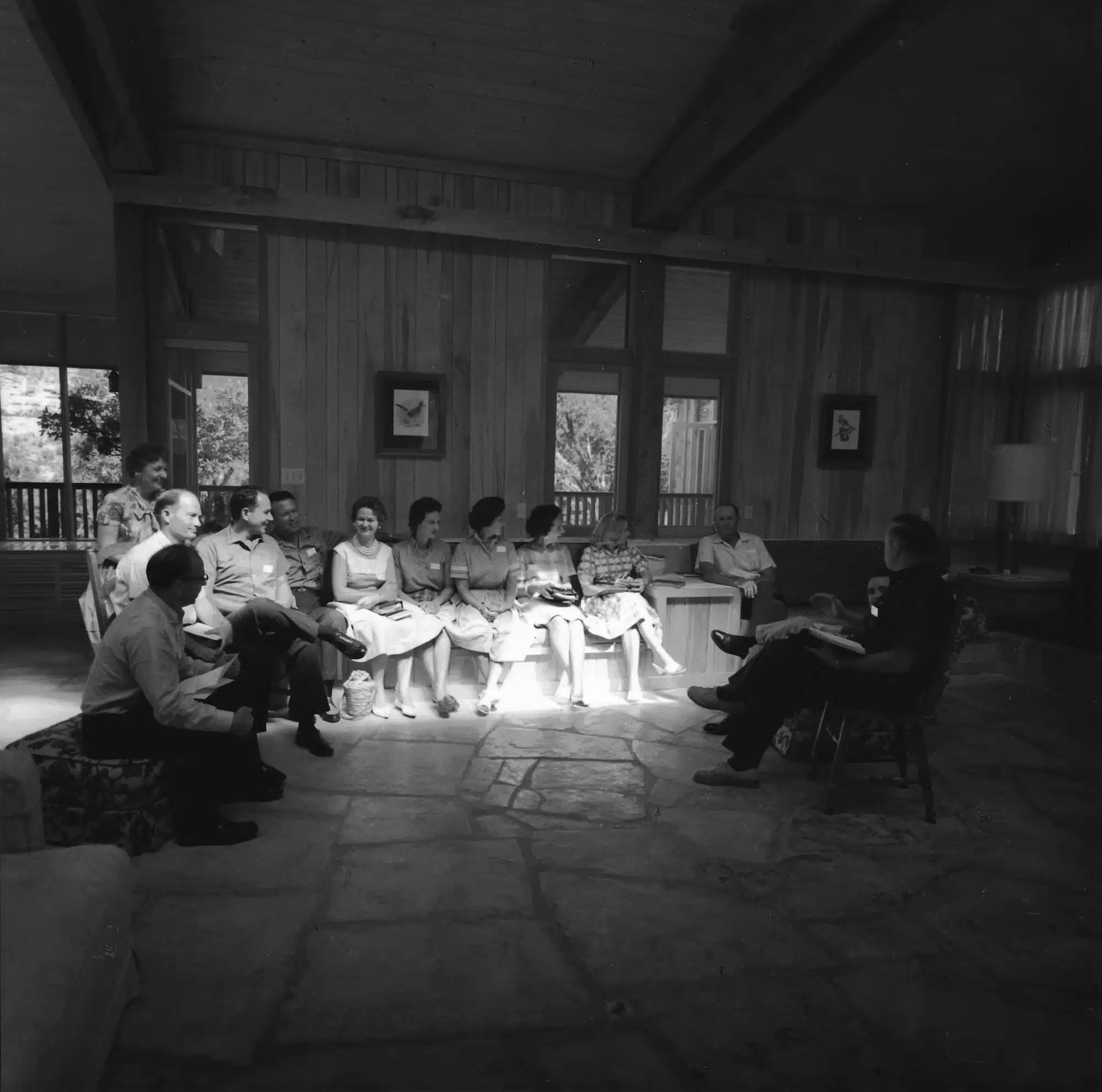
and in a newly constructed hall on the banks of the Frio River, something transformative was about to take place. The very first retreat at Laity Lodge was underway. Howard Butt Jr. had invited his close friend Dr. Elton Trueblood, a Quaker theologian and philosopher, to be the featured speaker. Born in Iowa in 1900, Trueblood was a well-known theologian and author of many books, and he had served as a senior advisor to President Dwight D. Eisenhower. Howard called him “the great apostle of the ministry of common life.”
Speaking with the attendees in the Canyon, Trueblood introduced an idea that was, at the time, unusual. His radical idea was this: create small groups—intimate fellowships focused on accountability, prayer, Scripture, and service. In a small group, believers could ask hard questions and work through struggles together. Participants would meet regularly and not just study the Bible, but also support one another in practical Christian living and participate in mission-focused activity.
This was a natural fit for the vision that Howard had cast for Laity Lodge, as a laboratory for lay discipleship. Yet initially, some guests resisted the small group idea. Dwight Lacy, who served as CFO to the H. E. Butt Foundation and worked with Howard for over 30 years, recalls the early resistance. “It was hard, particularly for men, to break into small groups, because there was that feeling that we don’t share problems,” Lacy remembers.
Howard persisted.
Having gone through years of depression himself, he felt that being able to share and talk about struggles was something that brought him back to “a deeper part of life and a richness in his life,” according to Lacy.
To facilitate this kind of honest sharing, Trueblood employed a practice from his Quaker tradition: Quaker Queries, open-ended questions to receive in silence. For example: Are you open to new light from whatever source it may come? Do you approach new ideas with discernment? What are you doing to build a more peaceful world? Do you live in thankful awareness of God’s constant presence in your life? What does love require?
Quaker Queries: open-ended questions to receive in silence.
Rather than immediately talking about the answer, the group may sit in silence, thinking about their own answer.
Laity Lodge became a testing ground for Trueblood’s “company of the committed” groups, bringing pastors, lay leaders, and thinkers together for weekend retreats that seeded new group ministries. These gatherings prioritized small group dialogue, personal reflection, and faithful action, not just teaching from the front.
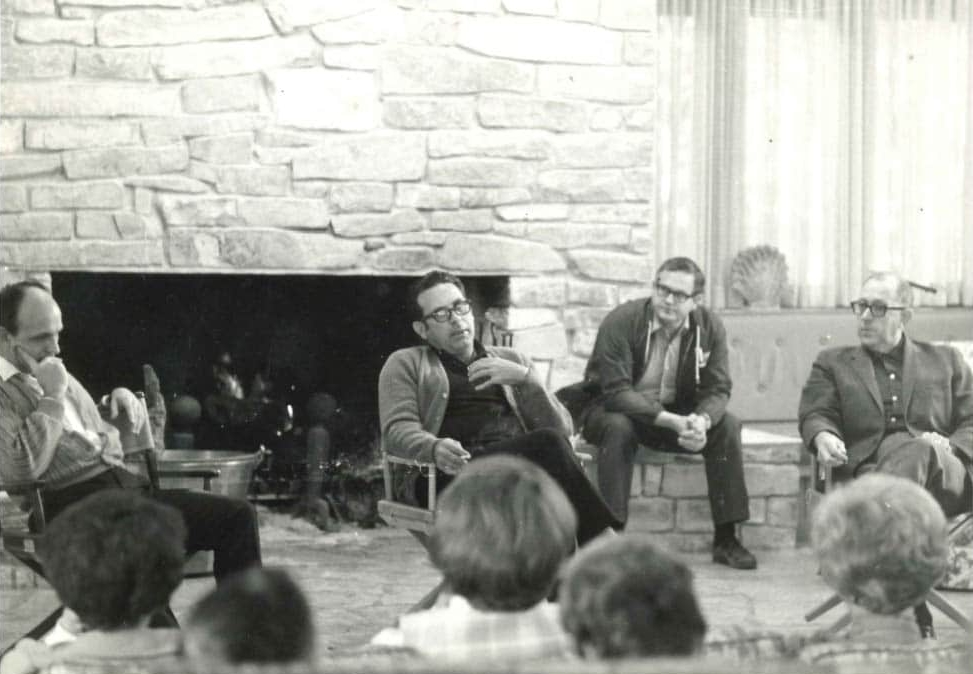
That first Laity Lodge retreat happened at the same time that seeds were being planted around the country in many churches and denominations. Howard’s wide network and Trueblood’s vision helped spread the small group model across Texas and the South. By the 1970s and ’80s, many mainline and evangelical churches in Texas had adopted small groups and life groups for discipleship, especially adult Bible fellowships and men’s and women’s accountability groups. During the first few years of Laity Lodge, Howard and his staff regularly visited churches that had attended retreats in the Canyon to sustain small groups in their local communities. Many of these groups around Texas lasted for decades.
Trueblood’s ideas would eventually influence the small group movement in mainline Protestant and evangelical churches. They would have a direct effect on discipleship programs developed by figures like Francis Schaeffer and Rick Warren, as well as missional communities and house church networks.
But the ripples didn’t extend only to church doors. Today, the H. E. Butt Foundation continues to employ this method of small groups and thoughtful questioning across much of its work.
Transformation happens in small circles, where conversations are guided by questions that invite deeper reflection rather than easy answers.
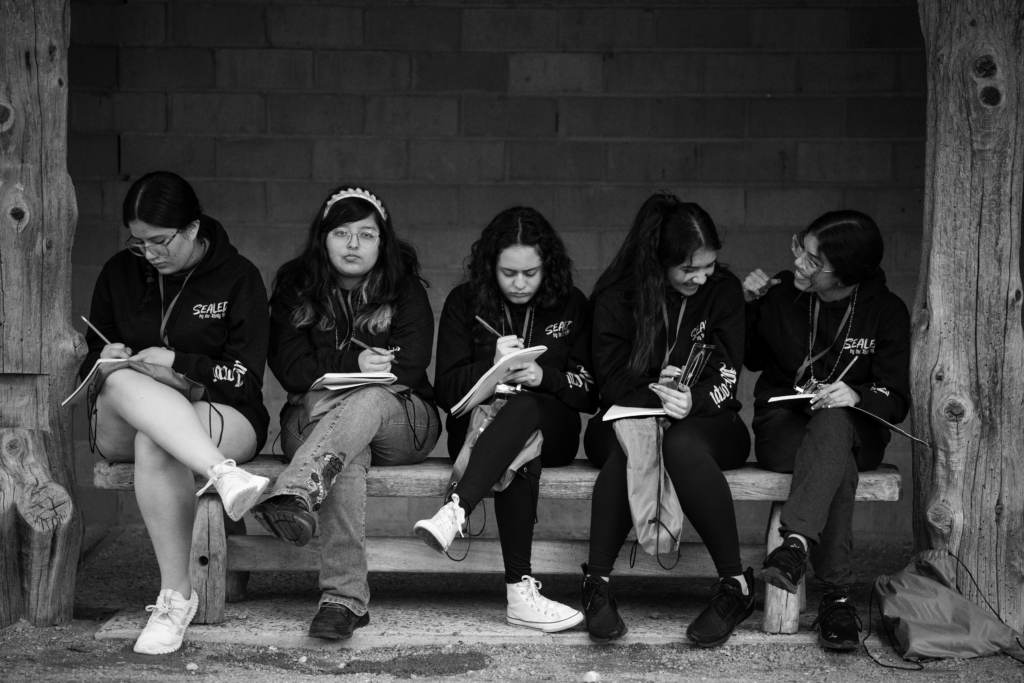
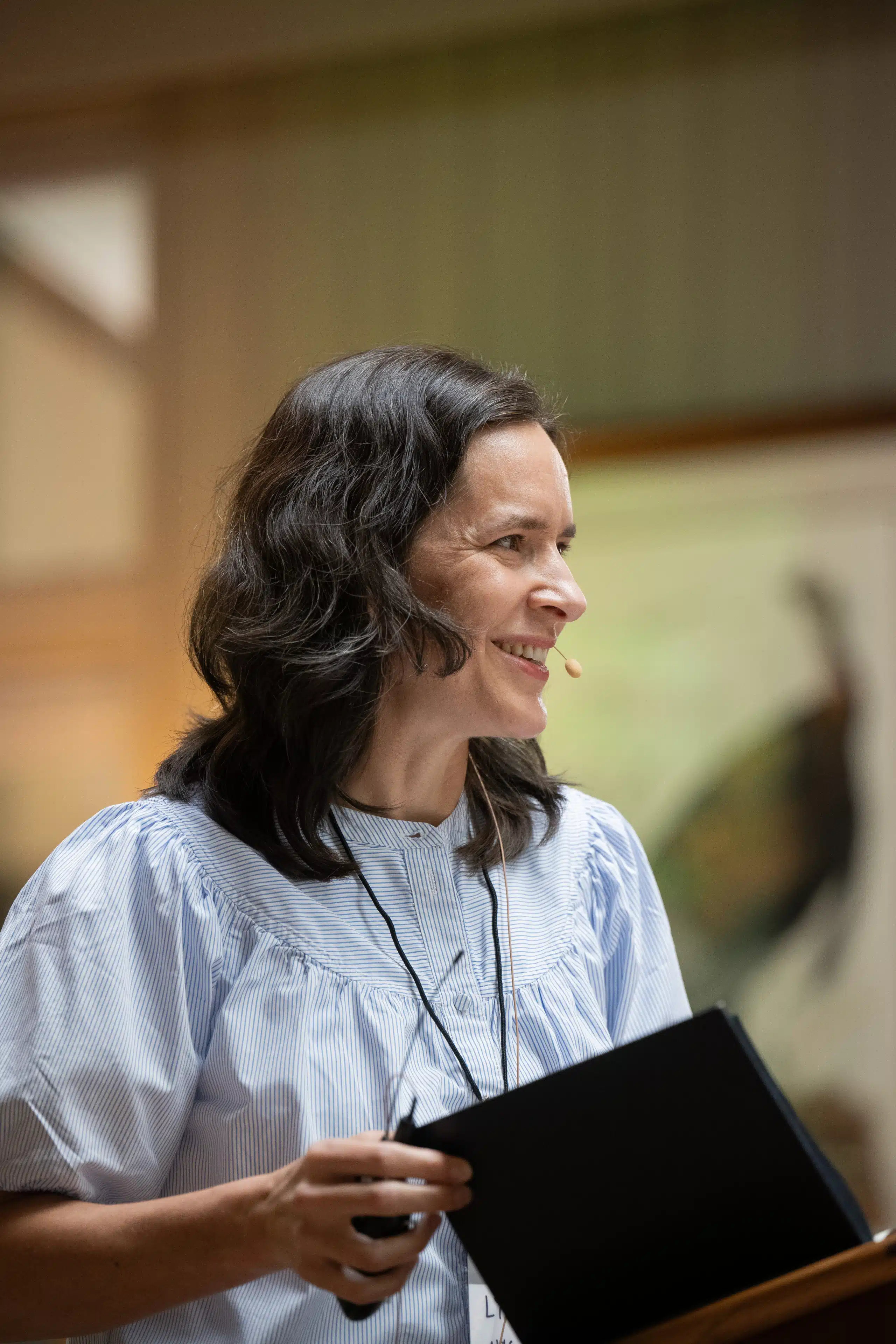
“The practice of asking questions at Laity Lodge and creating opportunities for small group conversation has from the beginning been an invitation for people to show up as themselves—to engage in honest reflection without fear of rejection,” says Steven Purcell, executive director of faith formation and Laity Lodge. “Howard Butt once said, ‘God cannot be very far from someone honestly confronting his own experience.’ That conviction has given shape and direction to all the programs of the Foundation.”
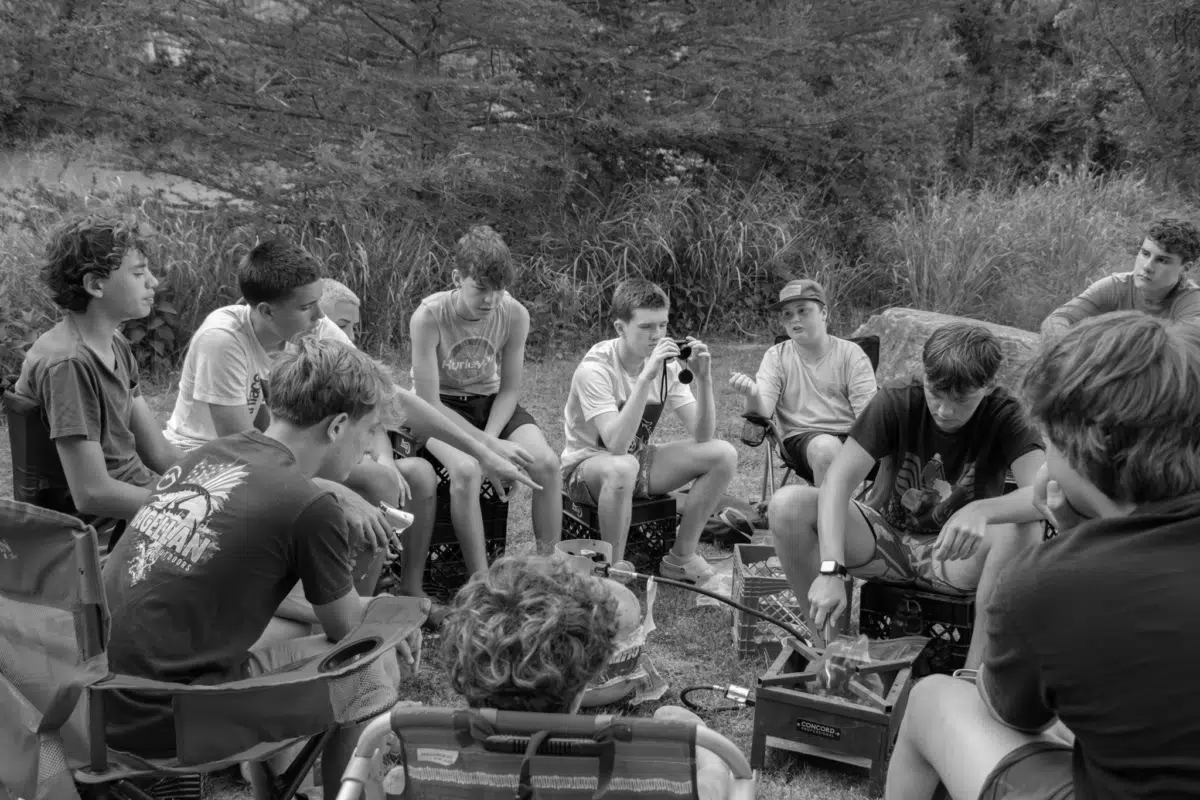
At both Laity Lodge Youth Camp and Laity Lodge Family Camp, campers circle up for Cabin Time, sharing their takeaways from the night’s Roundup talk with their cabinmates or families.
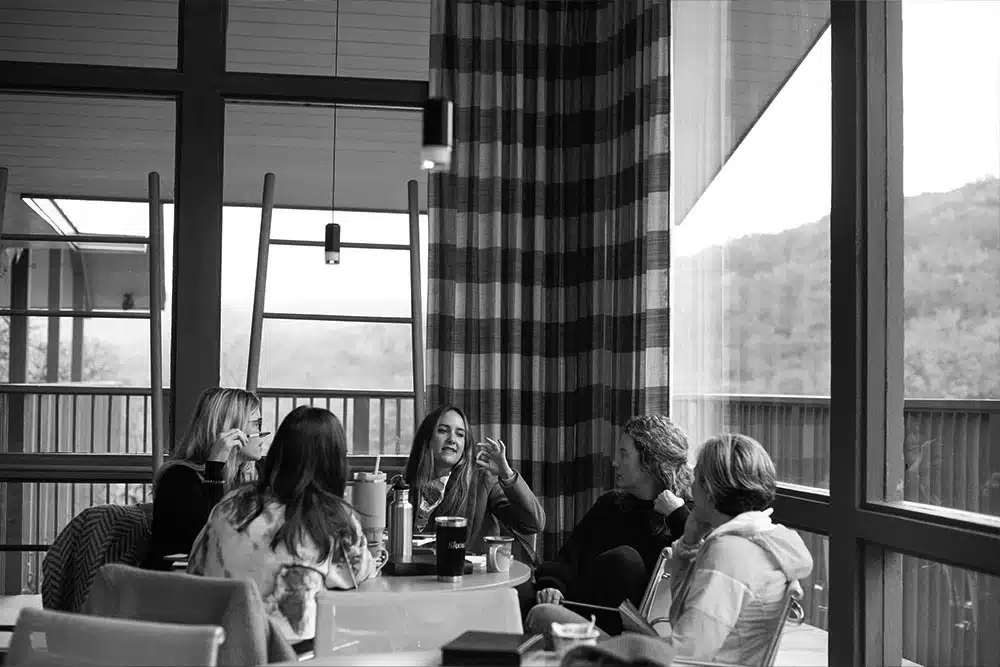
And at Laity Lodge adult retreats, that pattern continues. Speakers often invite attendees to discuss specific ideas over a meal or on a hike. As the weekend unfolds, attendees deepen their faith by listening to one another, crying together, praying together, and even disagreeing with one another—all prompted by thoughtful questions.
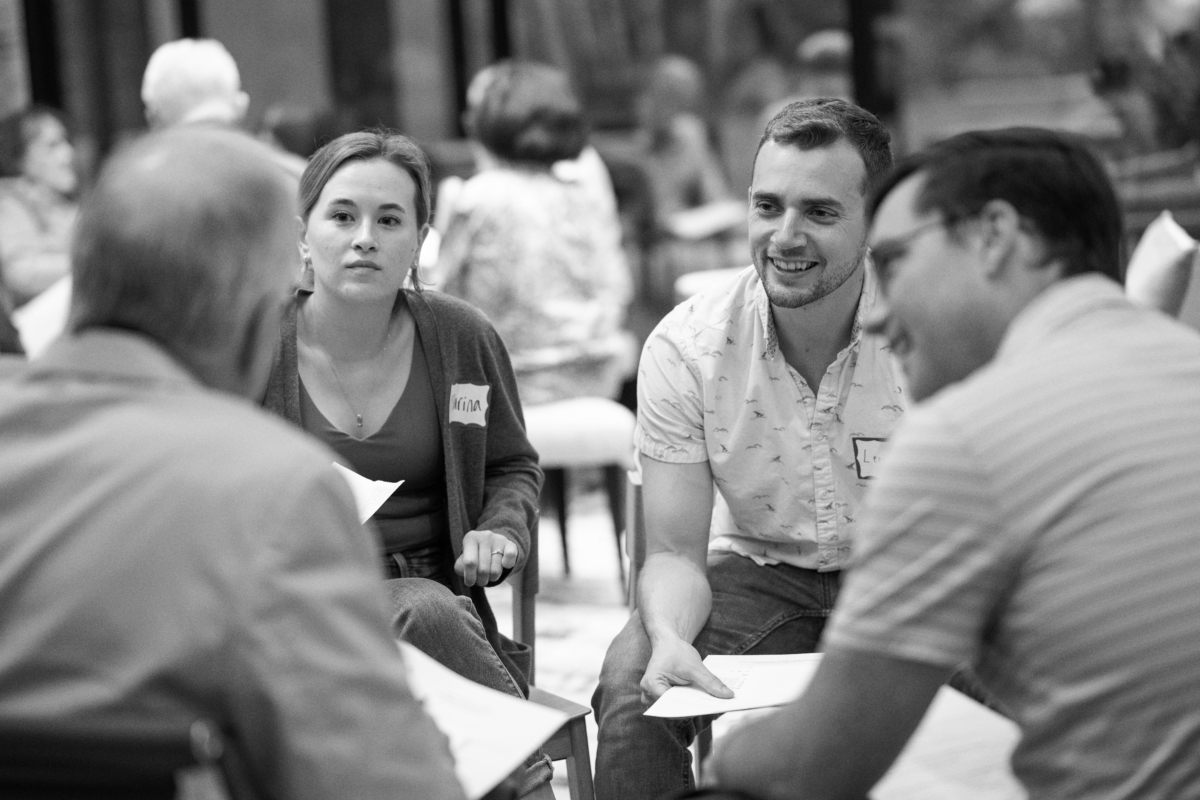
Other programs at the Foundation still use a formal small group model. For Know Your Neighbor, cross-sections of the community form learning cohorts and learn to ask better questions about the city’s wide gaps in economic opportunity.
Similarly, each year the Capacity Building program forms a cohort of nonprofit leaders who work closely on leadership development, organizational strengthening, and building meaningful peer connections. This small group gathers monthly for nine months, after which leaders “graduate” into an alumni community that meets biannually for two years of continued coaching and follow-up with staff.
“As with all Foundation programs, the Capacity Building Program centers on relationship,” says Meg Loomis, who directs the program. “Our small-group cohorts allow nonprofit leaders to share vulnerably, ask hard questions, and form relationships they want to sustain. Ultimately, they walk away with a set of peer ‘lifelines’ who they can turn to as they navigate the complexities of nonprofit leadership.”
The thread that connects all these experiences, from that first weekend in 1961 to today, is the belief that transformation happens in small circles, where conversations are guided by questions that invite deeper reflection rather than easy answers. What began as an experiment at the first Laity Lodge retreat—a Quaker theologian introducing a practice his tradition had long valued— became something much larger. And it continues to create spaces where people can ask hard questions, share honestly, and discover they’re not alone.