

Photos by Wendi Poole
Faith leaders like David Martin are joining the mental wellness conversation for the health of their congregations—and learning to better equip church leadership for the frontlines of the mental health epidemic.
“David is being weird.”
This is how David Martin, pastor of Great Oaks Fellowship in San Antonio, recalls his brother talking about his obsessive habits to their mom one day.
His obsessive-compulsive tendencies started around seven years old, “but that was the 80s and there was no word or name to put to it back then,” said Martin. “So, I was just being weird.”
His obsessions exceeded those of just a Type A personality. “I had to turn the doorknob to every door I entered to the left. I thought if I accidentally turn it to the right, then a family member is going to die,” explained Martin. “I would live my life around those types of behaviors to make sure everyone I loved would stay safe and healthy.”
“Obsessive-compulsive disorder (OCD) is “a mental disorder in which people experience unwanted and repeated thoughts, feelings, images, or sensations (obsessions) and engage in behaviors or mental acts (compulsions) in response.”
The game changer for Martin came much later, while driving home listening to a podcast on mental wellness. That was the first time he’d heard the phrase “obsessive-compulsive disorder.”
“I remember listening and thinking, ‘Oh my gosh that’s me,’” said Martin. “In the years after that, I would come to learn that many people struggle with this, and just having a name for it and learning I’m not alone was groundbreaking for me.”
Recent years have elevated the conversation around mental wellness, and the participants of the Foundation’s 2023 community survey named it the number one concern in their communities.
Mental wellness challenges come in many forms that vary in degree of severity, ranging from mild to moderate to severe. Some of these challenges include obsessive-compulsive disorder, depression, bipolar disorder, anxiety, and more. On the other side of COVID, these mental health challenges seem compounded—and even pastors and clergy are not exempt.
“I think my own struggles with mental health are what has developed me the most as a pastor,” Martin said. “Opening up and revealing things that typically would not be celebrated as a pastor has helped create intimacy with my congregation. Someone willing to speak up first builds trust.”
Trust is the Missing Link
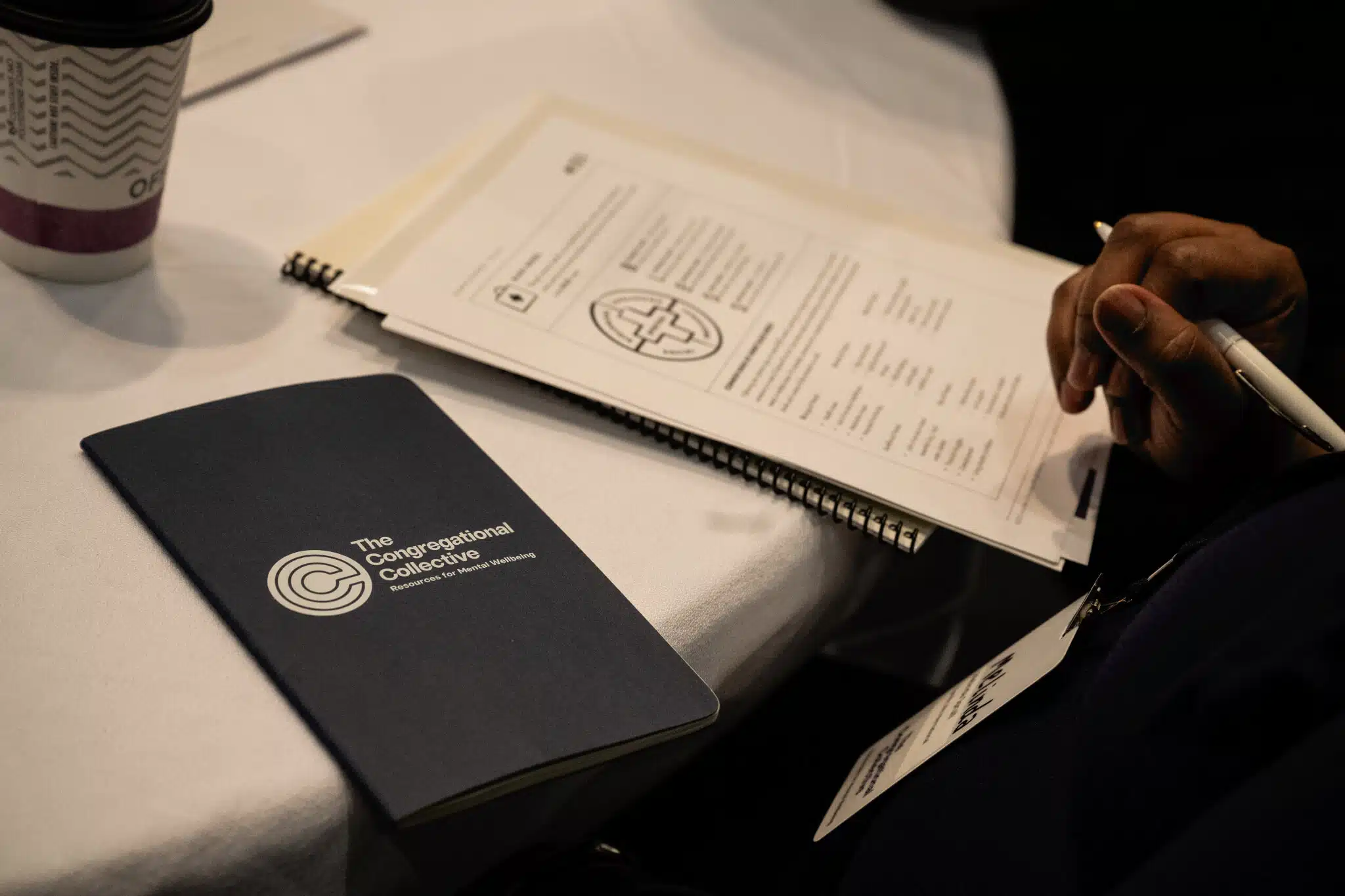
Trust is exactly why Rebecca Brune, a longtime mental health leader in Texas, believes faith communities are well positioned to effectively engage in early identification and intervention of mental healthcare needs. Brune is now the executive director of The Congregational Collective, a new nonprofit launched by the H. E. Butt Foundation to help faith communities become safer places for those seeking mental wellness.
In 2018, the Foundation partnered with a research team at the University of Texas at San Antonio (UTSA) to discover how churches were responding to the mental health needs of their congregations. One thing the study made clear: people feel more comfortable going to their faith community leaders with mental wellness struggles than they do going to providers or clinics.
This trust is key in what Brune describes as the missing piece of the puzzle—the valued role churches play in addressing the growing mental healthcare needs of the community. “Churches act as trusted connectors to safety net supports and service providers—the bedrock bridging to access, information, and social ties,” she said.
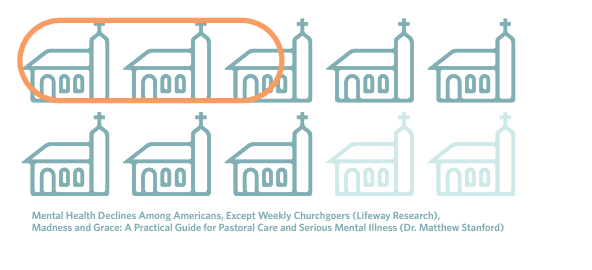
According to the UTSA research, 80% of clergy say they deal with mental wellness within their congregation on a daily basis. The Collective aims to assist churches by providing more resources and training to build the capacity to better respond to those needs.
“Less than 27% of churches actually have a plan or structure currently in place,” Brune said. “But congregations at large think it’s an important issue … they understand that human flourishing is about wholeness.”
“For the longest time, faith leaders had no tools placed in their hands,” said Martin. “I don’t always feel qualified. You think maybe there is something more the church can be doing, at least in our part to serve as triage if nothing else.” And he is not alone in his sentiment. According to Brune, over half of clergy feel they are not adequately prepared to handle the mental health loads of their communities.
80% of clergy say they deal with mental wellness within their congregation on a daily basis.
Less than 27% of churches have a plan or structure in place to respond to the need.
Filling the Toolbox for Faith Leaders
In October 2023, The Collective brought eight churches from different demographics and denominations across San Antonio together to participate in a 12-month pilot program.
The Collective values mental wellness as an essential part of both individuals and communities becoming whole and well. This pilot program intends to create a field-tested readiness assessment tool to assist churches in building organizational and leadership capacity to engage the work of mental wellness. Early discoveries in The Collective’s work emphasized the need for shared language and understanding surrounding this work in context of our faith traditions.
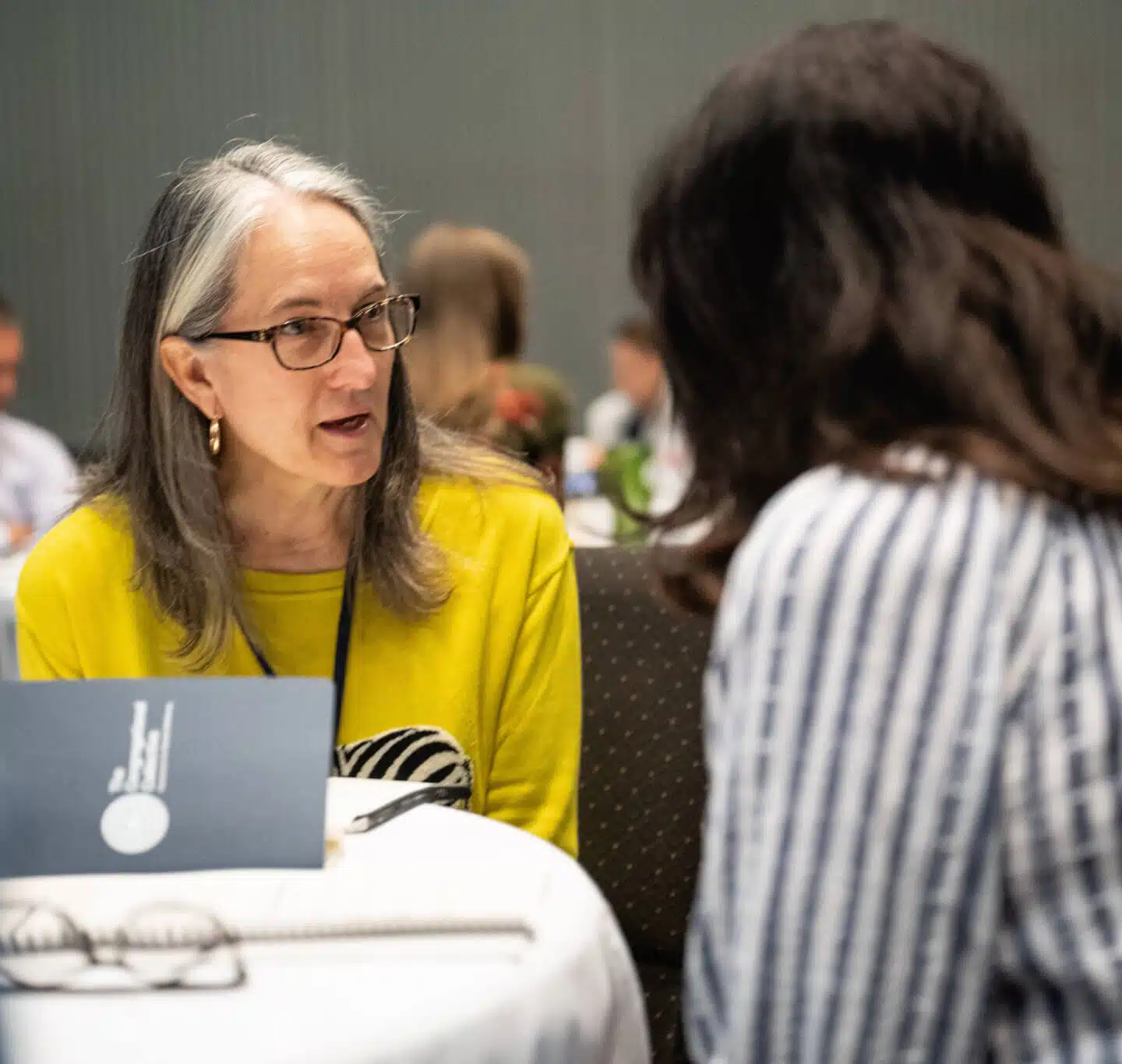
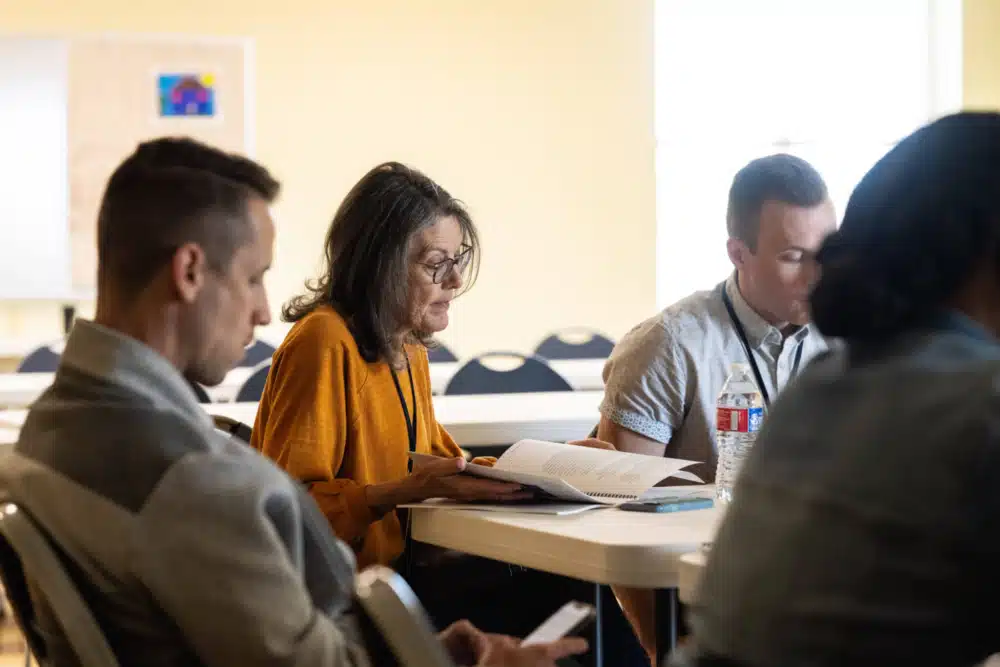
All eight churches have been participating in a series of trainings in fundamental mental health literacy so they can identify and support people with mild to moderate depression and anxiety.
The Collective will also establish referral pathways to ensure a “warm handoff” to licensed practitioners and facilities when needed.
Going forward, the Collective will help the churches “fill their toolboxes” by serving as a trusted, go-to resource and developing supplemental guides and tools that elevate and include faith as a core approach in the early identification and intervention of mental health issues.
“Mental wellness does not happen overnight. […] You have to be willing to walk with someone through it and look at the whole person. […] We are mind, body, and spirit.”
“For a long time, there wasn’t any widely known language or understanding for faith leaders to be able to identify a mental health challenge, let alone know what to do with it. That’s why I believe the work of The Collective is so important. I could’ve benefitted from a program like this early in my ministry,” said Martin.
Martin also understands the value of having those trusted partners he can refer someone to when his own toolbox does not have what that person needs.
“When I talk to someone struggling with mental health in some way, I always try to determine what my role is, because I’m not there to diagnose,” said Martin. “But I am there to listen and possibly point them to a trusted Christian counselor—or someone with the necessary background and qualifications. It’s nice to have those connections in your back pocket.”
Martin still has moments when his compulsions resurface. “I can recognize it now,” Martin said. “I ask myself, ‘Do I need to put my mug on the right side of my desk or the left?’ And if the wrong answer is the right side, then I intentionally make that ‘wrong’ choice. It helps rewire my brain.”
This coping strategy took 15-20 years for Martin to really master. “The compulsion is still there … mental wellness does not happen overnight,” he said. The lessons he’s learned are not just for him—they’ve changed the way he understands what the people in his community are going through.
“You have to be willing to walk with someone through it and look at the whole person. It’s important to remember there are multiple pieces in play … we are mind, body, and spirit.”