

“This place feels like home, Mr. David,” the boy said.
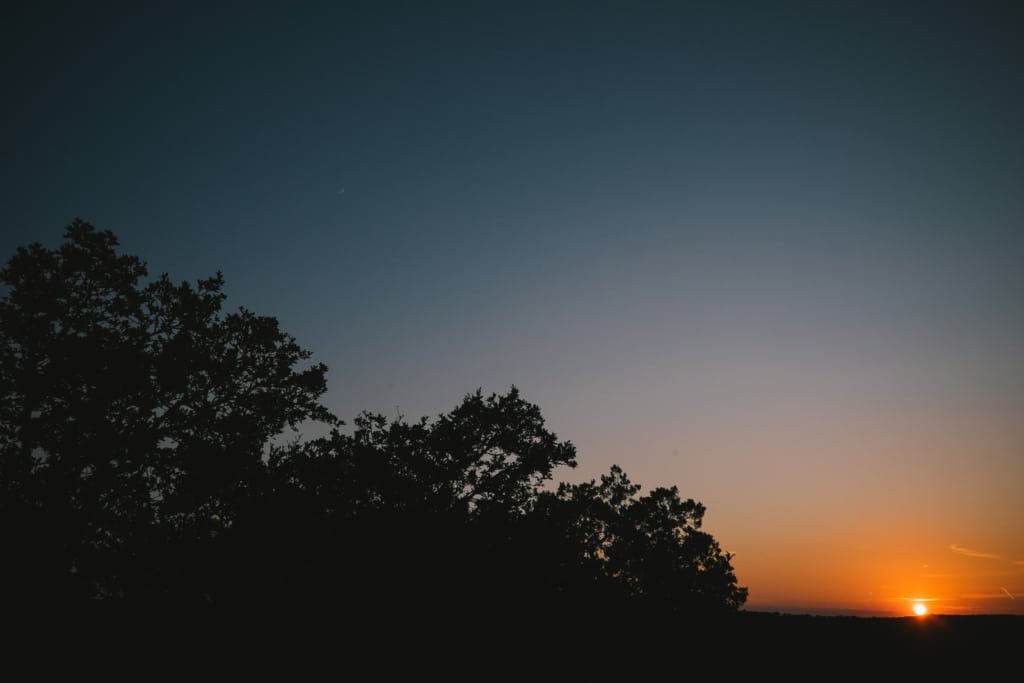
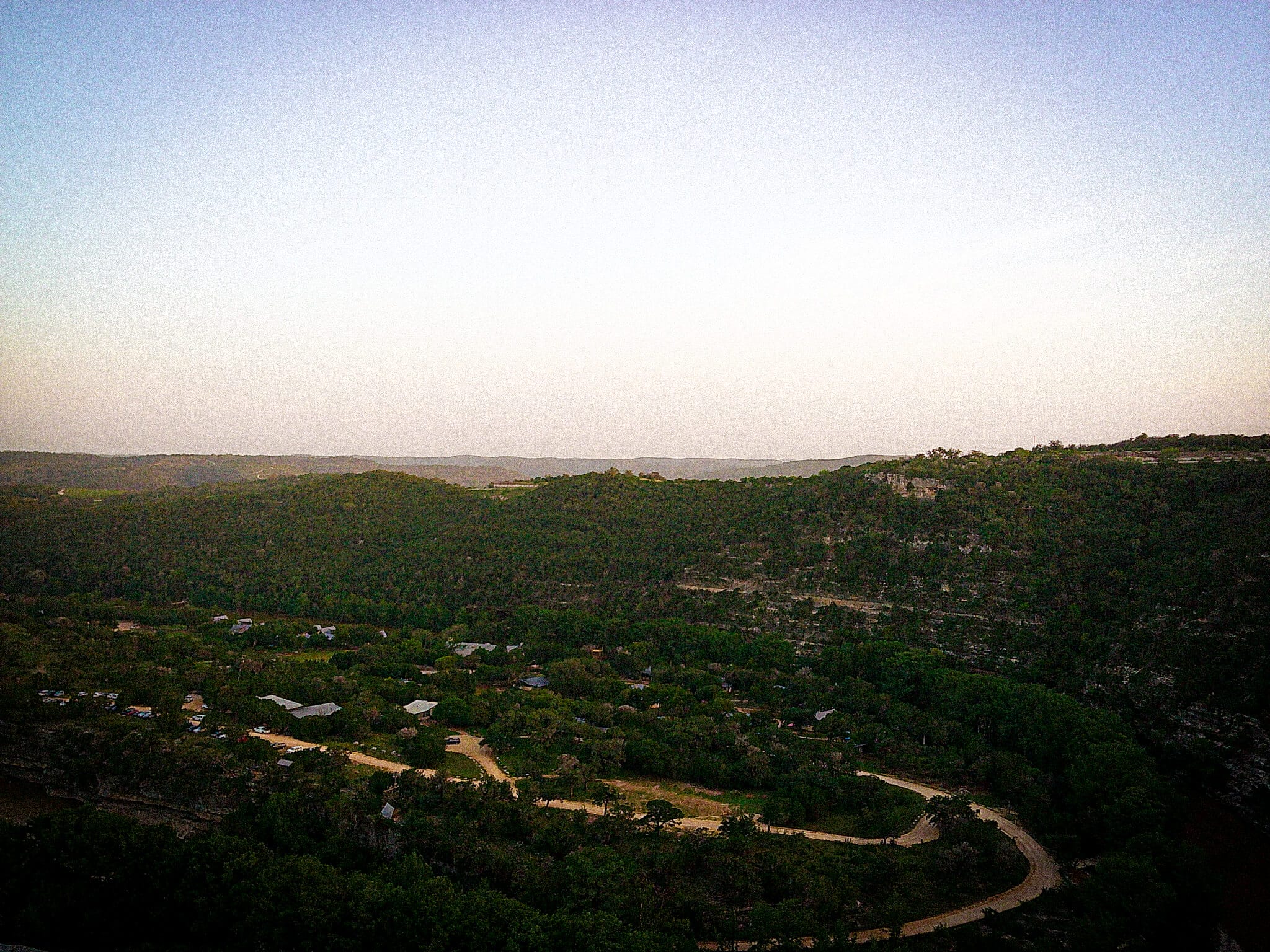
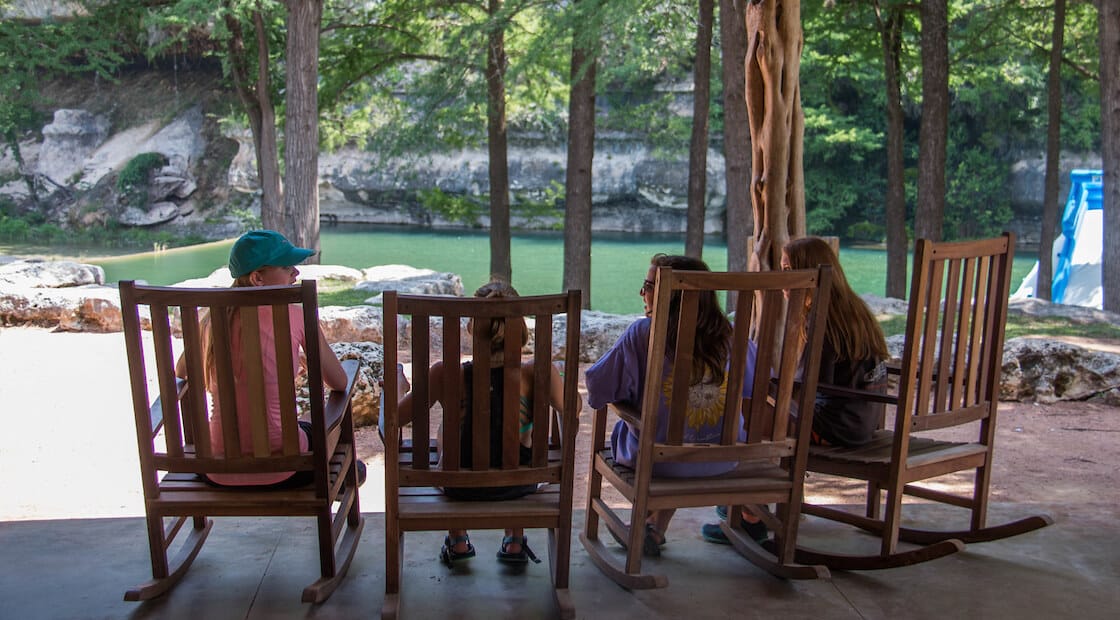
He couldn’t do the zip line that day with his school group, so I sat with him at Echo Valley, looking across the river at the bluff. “I know God must love me—because he let me see this place.”
He was a sharp kid—talking about limestone and how water shapes a canyon. I hadn’t prompted him to talk about God, not directly. He just brought it up: “This place feels like home.”
That moment has stayed with me. The beauty of the natural world stirred a sense of gratitude and peace, and his curiosity helped him pay attention to that stirring.
These days, that kind of posture feels rare. Our world can be loud and angry. It’s almost as if we are afraid to be curious about new possibilities or new ideas, but we can have strong convictions and still listen to each other. The world is complex! I don’t have to agree with someone on every detail in order to treat them with love.
To me, love is the key to spiritual wisdom. Love is patient and kind. It doesn’t envy or boast. It isn’t proud. It doesn’t dishonor others or get angry easily or keep a record of wrongs. Love asks questions and cares about the answer. Love sits down at a table with strangers and wonders at the variety of stories people bring.
I met a guest at Laity Lodge who chooses to sit at empty tables in the dining hall—just to see who God will send. Imagine trusting that every person we meet has been sent by God. What if we treated conversations as sacred ground and entered them with humility and hope?
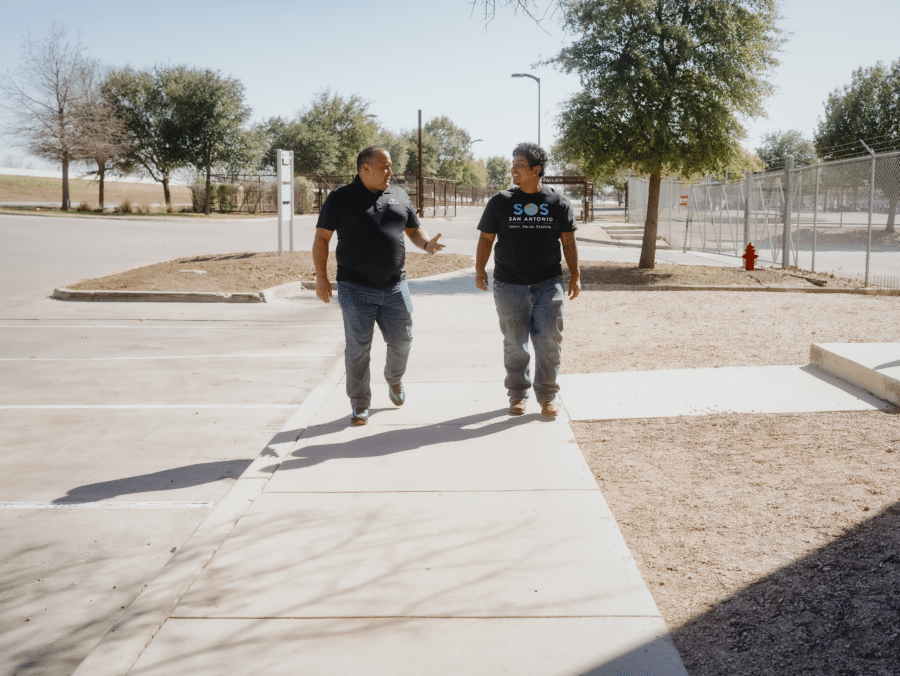
Perhaps this sounds idealistic. But time and again, I’ve seen how listening can lead to transformation. We’ve seen it happen over shared meals where people are getting to know their neighbors from across town. We’ve seen it in small groups during retreats and camps and outdoor school experiences. A quiet moment or simple question can nudge us toward something deeper.
To me, love is the key to spiritual wisdom.
This issue of Echoes is full of stories where curiosity and awareness open a path toward healing. You’ll meet a foster mom in Corpus Christi, a camp kitchen crew practicing hospitality, a guest who witnesses an apology and recognizes it as holy.
You’ll also hear from New York Times columnist David Brooks, who reminds us that our fragmentation—our ache for wholeness—is not primarily political. It’s spiritual. We want to be seen. We want to know we’re not alone. And we’re hungry for something more lasting than talking points or protest signs.
At the Foundation, we aim for the transformation of communities, and we don’t pretend that this can be accomplished through rigid control or siloed certainty. Instead, we cultivate wholeness in people and in organizations and institutions. We believe the Frio Canyon can be a training ground for this way of living.
That boy looking at Echo Bluff wasn’t trying to teach me a theology lesson. He was just paying attention. And in that moment, his curiosity became awe.
May we all be that curious.