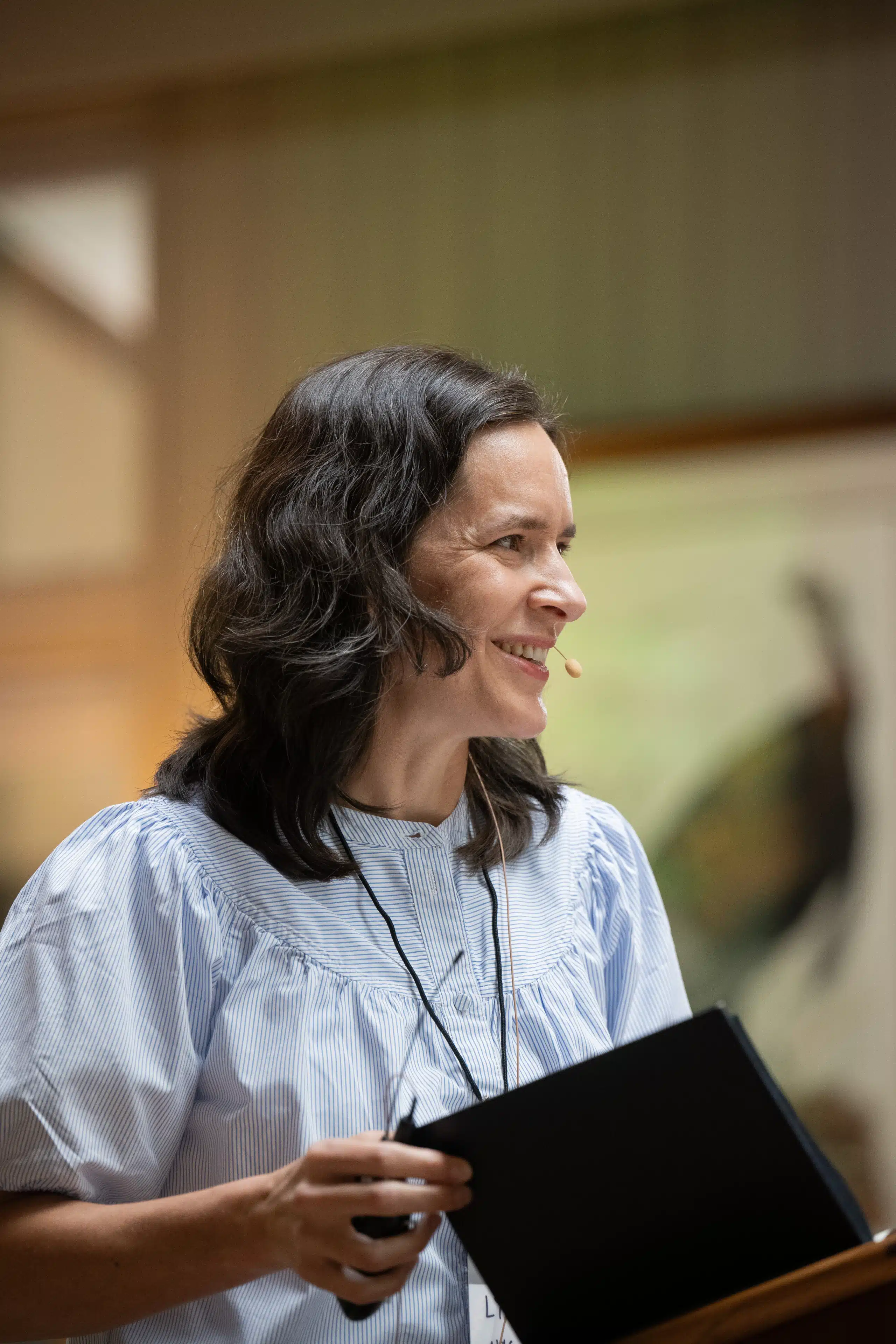


This spring, I had a chance to participate in a poverty simulation, a role-playing activity designed to help people understand the experience of living in poverty. It sounds like a game, but it’s not—it’s a stress-inducing educational exercise for researchers, policymakers, students, and leaders of organizations like ours that care about the plight of vulnerable neighbors.
We joined several dozen nursingstudents at the University of the Incarnate Word, who are required to do the simulation each year in order to better understand the challenges of the patients they’ll be treating. Each of us was given a role of an individual or family member experiencing hardship. We had details—names, ages, income levels, medical conditions. In a series of 15-minute “weeks,” we faced normal obstacles like getting to work on time and paying for rent and childcare.
Every few minutes, some new wrinkle was thrown in—an unexpected tax bill, an illness, an eviction notice. For some, an issue as small as a blown tire could mean having to choose between buying food and keeping the lights on. For an hour, we all felt the pressure—some of us for the first time in our lives—of living paycheck to paycheck, month to month. It was seriously stressful, and it left me with a more sensitive understanding of the lives of thousands in our community.
Of course, once the simulation was over, none of us had to worry about surviving another month. That’s our privilege.There are two sides of privilege. It can bestow honor, like the people who visit Laity Lodge and say, “It is a privilege to be here.” In that sense, privilege is a gift.
But when we live with privilege, we tend to lose touch with people who don’t share our privilege. That’s the downside of privilege—it cuts us off from our neighbors.
Since 1933, the Foundation has supported people who are struggling. Mary and Howard Butt purchased the H. E. Butt Foundation Camp because they believed people can have life changing experiences in a beautiful, natural setting where they feel more connected to God. Recently, we’ve opened our other camping programs to people from a wide range of socio-economic backgrounds.
But many of our guests return home to difficult family situations. Deborah and I have been trying to understand those situations so the Foundation can find our niche and better support those who are living on the margins.
That’s one reason why in the last several issues of Echoes, we’ve been highlighting stories of families from more challenging backgrounds. Starting with this issue, we’re going to bring even more attention to those stories with a new series called “Who Is My Neighbor?” The goal of this series is to better understand who our neighbors are and why their lives may be more difficult than ours. That’s the first step toward neighboring together.
David Rogers
Summer 2019


Photos courtesy of University of the Incarnate Word/Katie Hennessey